


·3 min read
The grid does not accept a guess
Operators already have SCADA. What they cannot use is a fluent summary that cannot point at the procedure, the asset and the person on shift.
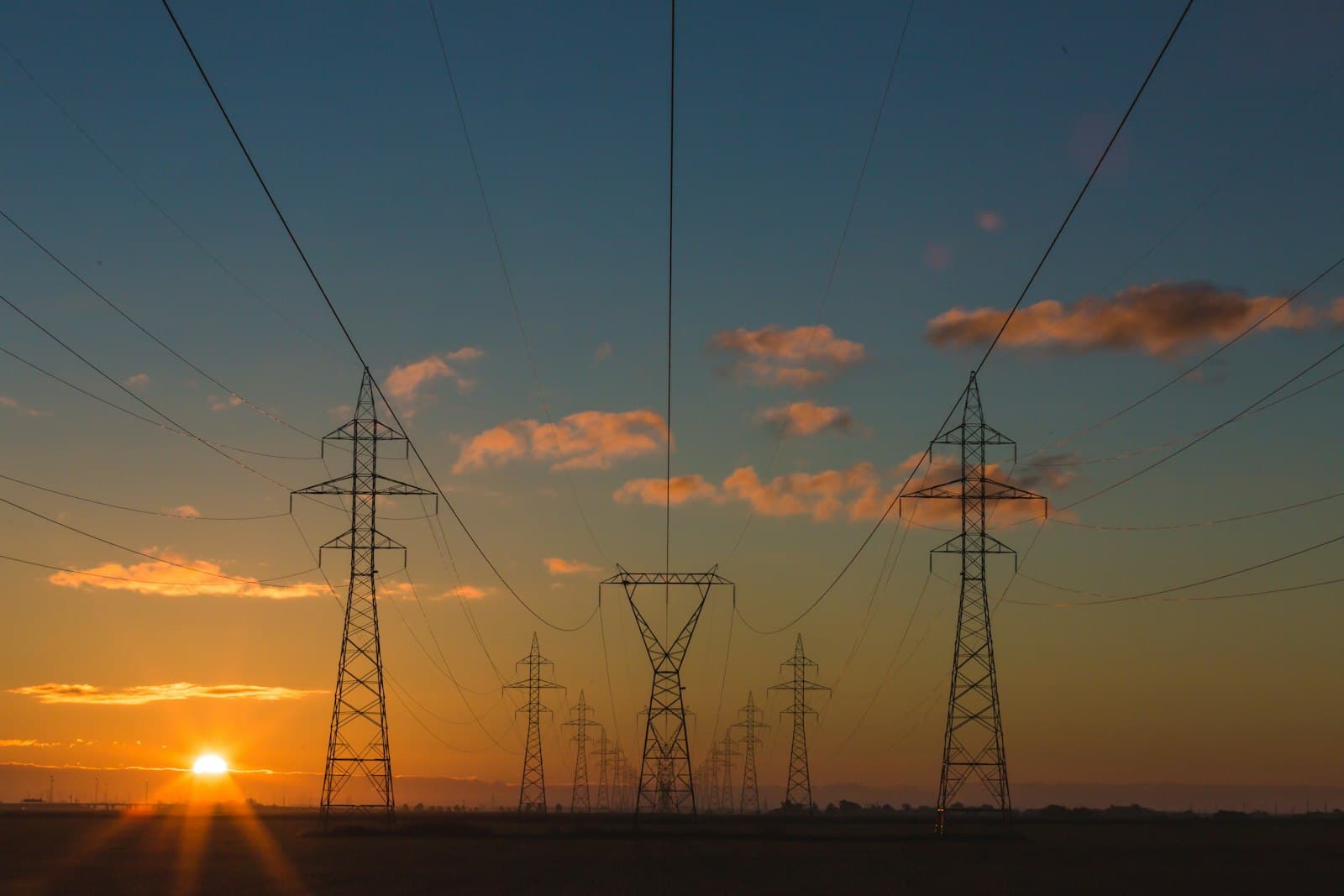
Photo: Matthew Henry on Unsplash
A control room is not a chatbot window. The cost of a wrong sentence is not a bad review. It is a switching error, a delayed restoration, a person sent to the wrong feeder.
The IEA’s work on energy and AI is clear that models will sit closer to operations. That is not permission to let a general model narrate the grid from the open web.
Grids are already short of people who know the assets. IEA work on electricity grids keeps returning to ageing infrastructure and the volume of work required to connect new generation. A copilot that cannot find last year’s switching sheet is theatre.
The useful system retrieves the procedure for this substation, this outage, this weather warning. It names the document. It does not “helpfully” fill gaps when the file is silent.
Identity matters here as much as retrieval. Who ran the query. Which playbook version. Whether the recommendation was accepted. The log is part of the safety case.
Fine-tuning on old tickets will bake in last decade’s workarounds. Grounding on the current procedure, with a human still closing the action, is the product.
If the model cannot point at the page, the operator should not have to.
The TruFyre Way
Operators cannot use a summary that cannot point at the procedure. TruFyre retrieves the local file (the asset, the shift, the revision) and keeps a person on the decision.